Metropolitan Museum of Art · Upper East Side
A King's Carpet: Louis XIV and the Savonnerie
Sep 8, 2026 – Mar 5, 2028
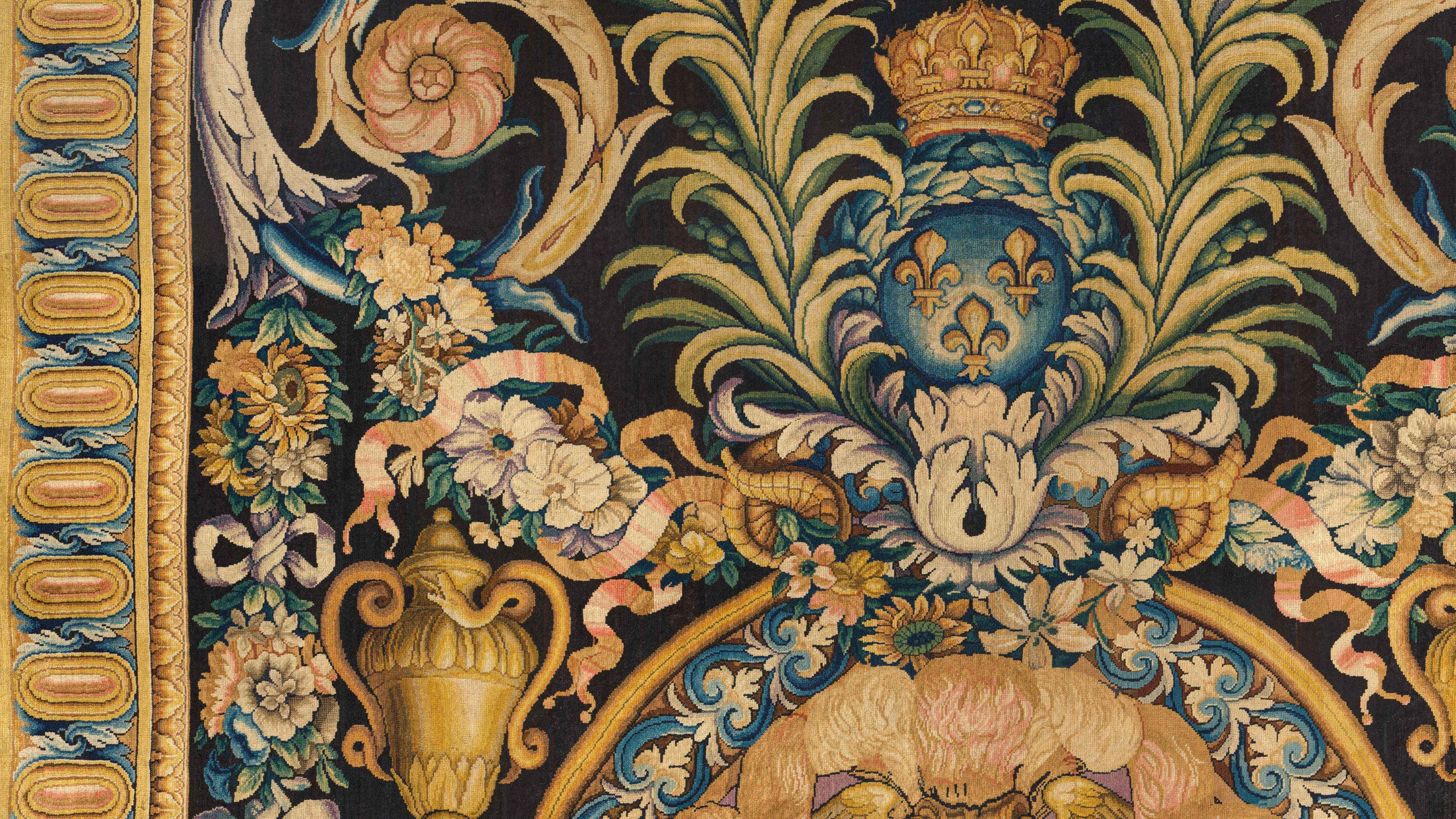
Royal carpets woven for Louis XIV at the Savonnerie manufactory in Paris.
Why go
This is the first U.S. exhibition dedicated to the Savonnerie manufactory and its most ambitious commission: 92 carpets intended to cover the Grande Galerie, woven over 20 years with designs by the royal painter Charles Le Brun that depicted Louis XIV as Apollo and the virtues of kingship. The Met's three carpets, never used as originally planned,
What to expect
Four complete carpets, carpet fragments, and a trial weave displayed in the Wrightsman Period Rooms; visitors can observe textile conservators at work in a temporary in-gallery conservation studio repairing one of the monumental textiles.
Things to know
- Commissioned in 1668 by Louis XIV and minister Jean-Baptiste Colbert, the 92-piece carpet was designed to cover the entire 440-meter Grande
- Woven between 1668 and 1688 using wool with 90 knots per square inch, the carpets were never rolled out in their intended space because Loui
- Production required massive Paris workshops with oversize looms built from timber grown for warships, staffed by orphans, young children, an
- After the French Revolution, many carpets were stripped of royal emblems or sold, dispersing among collectors including the Rothschilds, J.P
- Designs by Charles Le Brun evolved from organized Renaissance-inspired compositions to increasingly Baroque styles with overlapping, interco
- The last time multiple carpets were displayed together was June 1919 for the Treaty of Versailles signing, when 13 were rolled out in the Ha