The Jewish Museum · Upper East Side
Paul Klee: Other Possible Worlds
Mar 20, 2026 – Jul 26, 2026
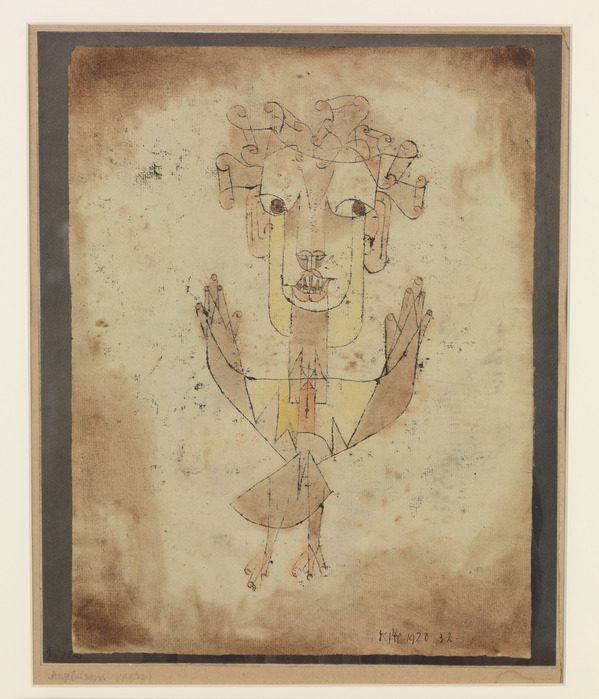
Klee's late work from 1933–1940, produced during exile, illness, and Nazi persecution, featuring roughly 100 paintings and drawings including the iconic Angelus Novus.
Why go
The first American museum exhibition to focus on Klee's final decade—a period less studied in U.S. academic circles than in Europe—tracing his shift from chromatic abstraction to darker, more vulnerable work confronting fascism and scleroderma.
What to expect
About 100 paintings and drawings spanning Klee's career but concentrating on his disastrous late years, displayed across the airy second floor, including rarely exhibited works and the iconic Angelus Novus (1920), which Walter Benjamin called the Angel of History.
Things to know
- First U.S. museum exhibition focused on Klee's late work, 1933–1940.
- Organized by the Jewish Museum in collaboration with Zentrum Paul Klee, Switzerland.
- Curated by Mason Klein in his final exhibition as senior curator at the museum.
- Klee was dismissed from Düsseldorf Academy by the Nazis, who called him 'a Galician Jew' and deemed his art degenerate.
- The exhibition traces Klee's political commentary on fascism and authoritarianism, a throughline little discussed in U.S. scholarship.
- Klee abandoned his uplifting chromatic style after 1933, confronting exile, fascism, and scleroderma diagnosis in 1935.
Plan your visit
Group tours available; learn more at TheJewishMuseum.org/GroupVisits. Digital guide supported by Bloomberg Connects. Family guide available for download. Audio descriptions and verbal descriptions provided.